
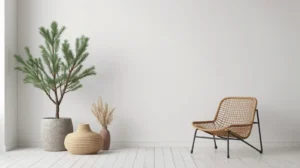
In the world of interior design, one quiet Scandinavian tradition is taking over Pinterest boards and minimalist homes Pyntekvister.
This beautiful concept, rooted in Nordic culture, means decorative twigs or ornamental branches in Norwegian. While the idea might sound simple, its impact on design, mood, and sustainability is anything but.
From its deep cultural roots to its modern reinterpretations, Pyntekvister shows how nature’s simplicity can create harmony, balance, and beauty inside any home.
What Is Pyntekvister?
The term Pyntekvister (pronounced “pint-eh-kvis-ter”) comes from Norway and Denmark. It literally means decorative branches.
Traditionally, these branches were arranged inside homes to celebrate seasonal changes spring rebirth, autumn harvests, and winter light festivals.
Over centuries, Pyntekvister evolved from folk rituals into a refined Scandinavian design element, celebrated for its connection to nature, minimalism, and sustainability.
Today, people across the world are rediscovering it as part of the biophilic design trend, which brings natural materials indoors to promote calmness and creativity.
Why Pyntekvister Matters in Modern Homes
In 2025, when city life often feels fast and artificial, natural décor offers a kind of gentle reset. Pyntekvister fits perfectly into this lifestyle for several reasons:
-
Sustainability – Branches can be collected locally or repurposed from pruning, making them eco-friendly.
-
Minimalism – Instead of clutter, Pyntekvister emphasizes open space and clean lines.
-
Emotional grounding – The presence of natural materials lowers stress and enhances focus.
-
Adaptability – These branches work for all seasons and interior styles, from rustic to modern.
Simply put, Pyntekvister blends beauty, mindfulness, and ecology the three pillars of modern Scandinavian design.
Types of Pyntekvister for Every Aesthetic
Nature provides endless variety, and that’s what makes Pyntekvister exciting. Each branch species has its own personality and design vibe.
1. Birch Branches
Known for their pale bark and minimalist appeal, birch branches fit perfectly in modern and Scandinavian interiors. They give a soft, airy feeling and look beautiful in white or neutral spaces.
2. Willow Twigs
Flexible and flowing, willow branches can be bent into artistic shapes or used in large vases. Their organic curves make them ideal for bohemian or nature-inspired homes.
3. Cherry or Apple Branches
These offer a touch of color and life, especially when budding or blooming. Perfect for spring arrangements or soft romantic interiors.
4. Dogwood and Forsythia
Popular in spring and Easter décor, these add subtle brightness with natural reds and yellows. They bring energy and optimism into a room.
5. Manzanita and Grapevine
If you prefer something sculptural, twisted manzanita or grapevine branches make bold, artistic statements in modern or industrial designs.
6. LED and Painted Branches
Modern takes on Pyntekvister include LED-lit branches or metallic-painted twigs. Gold, silver, or matte black versions are trending in urban minimalism and holiday décor.
How to Decorate with Pyntekvister
Pyntekvister’s magic lies in its versatility. Whether you’re creating a centerpiece, wall display, or seasonal accent, the possibilities are endless.
Vases and Centerpieces
Place a few tall branches in a clear glass or ceramic vase. The simplicity makes them look elegant and timeless.
To add flair, paint branch tips white or metallic gold, or hang miniature ornaments during the holidays.
Wall and Hanging Displays
Use twine or minimalist hooks to hang branches horizontally along a wall. You can attach family photos, dried flowers, or festive lights to personalize them.
Seasonal Touches
-
Spring: Add budding blossoms or pastel ribbons.
-
Summer: Mix in leafy greens or dried lavender.
-
Autumn: Combine warm oranges, dried leaves, or pinecones.
-
Winter: Spray branches white, add silver ornaments, or wrap them with soft fairy lights.
Special Events
For weddings, parties, or photo backdrops, Pyntekvister makes affordable yet high-impact décor. Pair it with candles, flowers, or sheer fabrics for a dreamy atmosphere.
DIY Pyntekvister Projects
One reason Americans love Pyntekvister is because it’s budget-friendly and creative. Anyone can do it at home no professional florist required.
Materials You’ll Need
-
Natural branches (birch, willow, hazel, or cherry)
-
Acrylic paints or metallic spray
-
Pruning shears
-
Glue gun or adhesive for décor
-
Sandpaper (to smooth rough edges)
-
Vases, jars, or wooden stands
-
Optional: LED string lights or ribbons
Step-by-Step Process
-
Collect or buy branches – Look for fallen twigs after storms or during trimming seasons.
-
Clean and dry – Remove bark pieces, dirt, or insects. Let them dry completely to prevent mold.
-
Trim and shape – Use pruning shears to balance sizes.
-
Paint or embellish – Add color, patterns, or metallic finishes for a festive look.
-
Arrange – Place branches in a vase and adjust heights for a balanced silhouette.
Eco-Friendly Tip
Instead of buying new, source locally and reuse branches. It supports sustainability and keeps your décor authentic true to Nordic values.
Cultural and Symbolic Meaning
In traditional Nordic culture, Pyntekvister wasn’t just decoration it carried symbolic energy:
-
Growth and Renewal: New branches represented rebirth during spring.
-
Protection: Some households believed branches warded off bad spirits.
-
Connection with Nature: The practice reminded people of natural cycles and seasons.
-
Mindfulness: The slow, careful arrangement of branches symbolized patience and calm.
These meanings make Pyntekvister more than an aesthetic it’s a philosophy of living simply, consciously, and close to nature.
Modern Design Trends and Pyntekvister
In 2025, biophilic design continues to grow across U.S. homes and offices. Americans want interiors that feel alive, calm, and sustainable.
That’s why Pyntekvister fits perfectly with trends like:
-
Minimalist design: Clean lines, neutral tones, uncluttered arrangements.
-
Eco-conscious living: Reusing materials, upcycling, and sustainable aesthetics.
-
Wellness design: Spaces that promote mindfulness, relaxation, and comfort.
-
Hybrid modern style: Combining rustic natural elements with sleek, urban furniture.
Whether placed beside a sofa, on a dining table, or in an office corner, Pyntekvister adds quiet sophistication and organic warmth.
Maintenance & Longevity
Caring for your Pyntekvister display is simple but important:
-
Dust regularly using a soft brush or dry cloth.
-
Avoid moisture to prevent mold or paint peeling.
-
Store carefully in tissue paper during off-seasons.
-
Replace seasonally refreshing your branches keeps your space feeling alive.
With a little care, your branches can last years and become a sustainable décor staple.
Pyntekvister as a Lifestyle Choice
More than a décor trend, Pyntekvister represents a lifestyle movement one that values intentional living and eco-friendly design.
It reminds us that beauty doesn’t come from abundance but from balance and simplicity.
In a culture driven by consumerism, arranging a few natural branches is a small act of rebellion and mindfulness.
Pyntekvister encourages you to:
-
Slow down.
-
Notice textures, lines, and imperfections.
-
Appreciate what nature already designed perfectly.
It’s no surprise that interior stylists in the U.S. are calling it “the new minimal floral art.”
Conclusion
The timeless charm of Pyntekvister proves that true elegance lies in simplicity.
This Nordic craft, born from respect for nature and rooted in cultural symbolism, continues to inspire modern homes worldwide.
Whether you’re a DIY enthusiast, a minimalist designer, or simply someone who wants to bring a touch of nature indoors, Pyntekvister offers a sustainable, beautiful way to express creativity.
By embracing this Scandinavian philosophy, you invite tranquility, authenticity, and natural beauty into your living space one branch at a time.