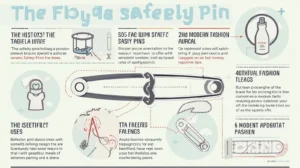
The safety pin is a tiny item, but its journey is huge. From ancient clothing in Rome to modern fashion runways in the USA, this small metal pin has played an important role for centuries. Today, safety pins are part of our homes, emergency kits, fashion outfits, and even cultural traditions. In this article, we explore how safety pins were invented, why they are still useful today, and how they became a symbol of creativity and identity.
What Exactly Is a Safety Pin?
A safety pin is a small metal fastener that has a sharp point, a clasp to cover the point, and a spring mechanism. This design makes it safe to use and very effective for holding cloth or objects together.
Why it matters
-
It prevents injuries because the sharp tip stays covered.
-
It works for hundreds of uses.
-
It is cheap, strong, and easy to carry.
Even today, almost every American home has a few safety pins lying in a drawer, a sewing kit, or a travel pouch.
Who Invented the Safety Pin? (A Fascinating History)
Entity: Walter Hunt The Inventor
In 1849, Walter Hunt, an American inventor from New York, created the modern safety pin. He needed money to pay a small debt of $15, so he took a piece of brass wire and designed a pin that could lock safely. Within a few hours, his invention was ready.
He later sold the rights for $400 a small amount compared to how big the invention became.
Entity: Elias Howe
Around the same time, Elias Howe patented the sewing machine. Hunt also created a sewing machine design earlier but didn’t patent it. Still, his most famous and successful invention remains the safety pin.
Safety Pins Before Walter Hunt: Ancient “Fibula”
Long before the modern safety pin, people used a similar item called fibula in ancient Rome, Greece, and other civilizations.
Entity: Ancient Roman Fibula
A fibula acted like a brooch. It fastened clothes such as Roman military cloaks (Sagum and Paludamentum). These fibulae were made from bronze, silver, or gold and were often highly decorative.
Why this matters today
The fibula was the grandfather of the modern safety pin, showing how humans have always needed a safe tool to join fabric.
Everyday Uses of Safety Pins in Modern Life
Even in today’s fast world, the safety pin is still important. Let’s look at common uses in American homes and around the world.
Emergency Clothing Repairs
This is one of the most popular uses.
You can use a safety pin to:
-
Fix a ripped shirt
-
Reattach a button
-
Tighten loose pants
-
Hold a broken zipper
-
Secure a scarf or shawl
Imagine you’re getting ready for work and your shirt suddenly tears — a safety pin saves the day.
First Aid and Medical Use
Safety pins are part of many first-aid kits in homes, cars, and offices.
They help in:
-
Securing bandages
-
Holding a sling in place
-
Organizing medical cloth
-
Emergency situations during travel
They are small but extremely useful in unexpected moments.
Childcare and Diapers
Before modern diapers, parents used safety pins to fasten cloth diapers securely. Even today, some parents still prefer cloth diapers, and safety pins help keep them tight and safe.
Organizing Small Items
Safety pins are great for organization:
-
Grouping keys
-
Holding fabric swatches
-
Keeping tags together
-
Organizing papers
-
Attaching labels to bags
Many crafters and hobbyists also use them in DIY projects.
Safety Pins in Modern Fashion (USA Focus)
Today’s American fashion scene uses safety pins in creative and bold ways.
Creative Fashion Designs
Safety pins are not just repair tools they are fashion statements.
Designers use them in:
-
Jackets
-
Jeans
-
T-shirts
-
Bags
-
Shoes
-
Jewelry
From luxury brands to streetwear designers, safety pins are used to create unique patterns, edgy details, and stylish accessories.
Punk Fashion and Safety Pins (Entity: Punk Culture)
Safety pins became iconic during the 1970s American punk movement.
Punk fashion was known for:
-
Black jackets
-
Torn shirts
-
Spiked hair
-
Clothes held together with safety pins
Safety pins symbolized rebellion, individuality, and breaking traditional fashion rules.
Even today, many fashion lovers in the USA use safety pins in their outfits to add a bold, rebellious touch.
Gender-Neutral Fashion
Safety pins fit perfectly into gender-neutral and androgynous fashion.
Because they are simple and functional, anyone can wear them.
They help break old gender barriers in clothing and encourage inclusive fashion choices.
Upcycling and Sustainability
As the USA moves toward sustainable fashion, safety pins help people repair and restyle old clothes instead of throwing them away.
Examples:
-
Adjusting waist sizes
-
Creating new silhouettes
-
Adding decorative elements
-
Turning old jeans into patched designs
This saves money, reduces waste, and supports eco-friendly lifestyle trends.
Safety Pins in Global Culture
Different countries use safety pins for traditions and beliefs.
-
Ukraine: Used to protect children from evil spirits
-
Mexico: Used during pregnancy for good luck
-
Philippines: Used to pin charms on babies for protection
-
USA: Safety pin became a symbol of support for immigrants after political tensions
These examples show how a simple safety pin can hold powerful meaning.
How to Use Safety Pins Without Damaging Your Clothes
Choose the right size
-
Small pins = delicate fabric
-
Medium pins = normal clothing
-
Large pins = heavy material like denim
Don’t stab the fabric directly
Instead, weave the pin slowly so the fabric doesn’t stretch or tear.
Tight or thin fabric?
Use the smallest pin possible.
Creative and Fun Ways to Use Safety Pins
Here are easy ideas anyone can try:
1. Customize Denim
Create patterns or attach chains using safety pins on jackets or jeans.
2. Accessory Decoration
Add a cluster of safety pins on bags, caps, or shoes for a stylish edge.
3. Temporary Clothing Fixes
Need a quick alteration?
Use safety pins to tighten a dress, hold a scarf, or shorten pants.
Conclusion: A Timeless Tool That Still Matters
From ancient Roman fibula to modern safety pins in American fashion, this tiny object has traveled through history with incredible purpose. It has been a tool, a fashion accessory, a cultural symbol, and even a form of protection.
The safety pin proves that even the smallest objects can shape our daily lives and influence culture. It stands for creativity, simplicity, and endless usefulness.
Whether used in emergencies, fashion, childcare, or tradition, the safety pin continues to be an essential part of modern life and its story is far from over.