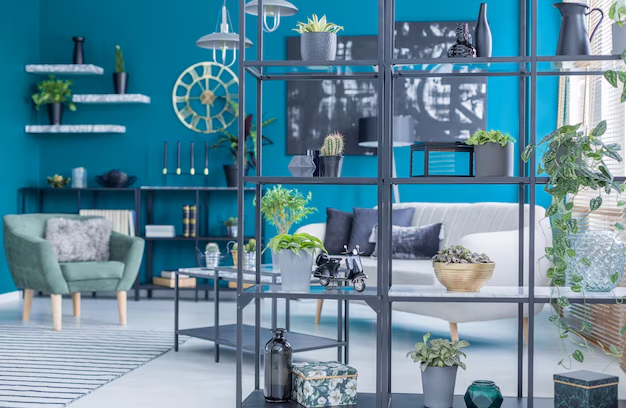

A first year in a new home often grows into a period of steady learning as routines start forming. The space moves from unfamiliar to lived-in through daily choices that guide how each area functions. A modern household benefits from planning that feels clear and relaxed rather than strict or overwhelming. Simple steps help the home feel grounded and give daily life a predictable pace without bringing in heavy projects. A thoughtful structure supports comfort across rooms, chores, and personal routines.
Life settles into the home with a plan that encourages progress without pressure. Each corner of the house gains purpose through thoughtful placement, steady upkeep, and attention to what genuinely supports day-to-day living. A first-year plan works best with patience, giving the space and time to develop character in a natural way. The result is a home that supports the people living in it instead of adding extra weight to their schedules.
Realities of Buying a Home in Today’s Times
Buying a home in the current market often includes changing prices, quick decisions, and a constant need to stay informed. Many buyers look for stability while sorting through listings, planning budgets, and preparing documents. A grounded approach helps keep the process calm, especially during conversations, viewings, and early planning stages.
Financing plays a crucial part in this path. A mortgage brings structure to the purchase and creates a predictable long-term plan. Many buyers now prefer options that simplify the early steps, and some choose to apply for a mortgage loan online because it keeps the application process organized and straightforward. This preparation helps the transition into homeownership feel steady long before move-in day.
Room-by-Room Setup Goals
Room-by-room planning gives the home a sense of purpose from the start. Each space gains direction through thoughtful decisions about how it will support daily routine. A plan that considers movement, comfort, and function helps prevent clutter and confusion over time. Rooms begin to feel settled because they are built around the needs of the people living in the home.
Clear goals guide each room without adding pressure. A space may be designed for rest, work, conversation, or storage, and the layout grows naturally from that purpose.
Kitchen Workflow Plans
The kitchen influences everyday living, and because of this, a clear workflow can strengthen comfort throughout the year. Decisions about where to keep tools, how to handle meal prep, and which surfaces stay open create consistency in the space. A pattern that moves naturally from pantry to counter to stove brings a sense of order that supports cooking at any time of day.
Storage contributes to this comfort. Frequently used items stay accessible, while less common pieces rest in quieter sections of the kitchen. This arrangement helps maintain a clean, calm environment. A consistent layout supports meal routines without unnecessary frustration.
Simple Maintenance Checks
Maintenance checks support the home’s stability during the first year. A monthly review of faucets, filters, fixtures, and basic systems helps prevent issues from building up. A clear checklist brings structure to the process and keeps the home running smoothly without extra stress.
Seasonal reviews play an important part as well. Looking over windows, doors, and entry points supports the home’s condition throughout the year. The goal is steady care without complexity, giving the homeowner confidence that the space is functioning as intended.
Gentle Décor Updates
Décor updates work best as gradual additions that bring warmth to the home. A thoughtful piece on a shelf, a photo on a wall, or a simple arrangement on a table can create a lived-in feeling without overwhelming the space. This approach allows the home to develop style at a steady pace and makes each area feel inviting.
Eventually, new ideas surface as the homeowner becomes more familiar with the space. Items find their natural place, colors evolve, and personal touches begin to shape the atmosphere. Décor grows in a calm, intentional way that supports the home’s character without forcing quick decisions.
Relaxed Outdoor Care Routines
Outdoor areas play an essential part in how the home feels through the first year. A relaxed care plan helps lawns, patios, balconies, or entry areas stay tidy without turning upkeep into a demanding task. Light sweeping, gentle pruning, and simple tidying create a pleasant entry point that supports daily comfort. A calm routine keeps the space welcoming without pushing the homeowner into strict schedules.
A consistent pattern makes outdoor care feel natural. A quick look at pathways, porch items, or light garden areas helps maintain order. Nothing rushed, nothing heavy. The goal is to keep the exterior of the home aligned with the peaceful tone being created inside.
Early Plans for Furniture Placement
Furniture placement shapes the flow of the home from the beginning. Timely planning helps each room feel settled in a steady, practical way. Decisions about where to sit, relax, or work give the space structure that supports daily routines. A planned layout helps limit clutter and brings clarity to how each section of the home functions.
A thoughtful approach supports long-term comfort. A chair near natural light, a sofa placed for easy conversation, or a table positioned for daily tasks creates a sense of purpose in the room.
A Calm Approach to Storage Choices
Storage plays an important role in steady first-year living. A calm plan helps keep belongings accessible without crowding the home. Cabinets, shelves, and closets work best with clear categories that match daily habits. A simple approach prevents items from piling up and keeps the home feeling organized during busy weeks. This structure encourages a peaceful environment that supports the household’s needs.
A relaxed mindset strengthens this routine. Items used often stay close at hand, while belongings that serve occasional purposes sit in quieter spots. This keeps the home open and reduces the sense of chaos that sometimes grows during the first year. Clear storage habits help create a home that feels steady, comfortable, and easy to maintain.
A first-year home plan grows strongest with steady routines that support comfort across daily tasks. Each choice shapes how the home functions, from kitchen flow to décor, maintenance, storage, and outdoor care. A thoughtful approach brings clarity to the year and helps the home feel grounded.