
Puzzles have captivated people of all ages for centuries, and while they are often cherished as an enjoyable pastime, the rewards of puzzle-solving reach far beyond simple entertainment. Actively participating in puzzle-related activities helps strengthen the mind and uplift overall well-being making this seemingly simple habit a smart investment in your long-term health. Whether you are sitting down with a Saturday newspaper or gathering around a table with friends and family, puzzles offer a stimulating escape from everyday routines. For those eager to get started, you can find a wealth of different puzzles at Pennydellpuzzles.com, where brain enthusiasts of all skill levels can discover new challenges, practice new skills, and explore various puzzle types to keep their brains engaged and entertained.
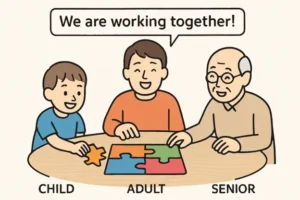
Not only do puzzles entertain, but they also engage our brains in unique ways, fostering mental agility, supporting emotional health, and deepening social bonds. Working with puzzles is much more than a solo pursuit; it’s a meaningful activity that brings diverse mental benefits. From strengthening memory and promoting relaxation to fostering social connections, puzzle-solving routines can deliver significant, lasting benefits for individuals of all ages. Whether you are a child learning to problem-solve, an adult seeking relaxation, or a senior hoping to maintain mental sharpness, integrating puzzles into your daily routine can be a game-changer.
Enhancing Cognitive Functions
Puzzles serve as a powerful cognitive workout, activating different regions of the brain as you search for solutions. Jigsaw puzzles, for instance, train visual-spatial reasoning by requiring pattern recognition and the ability to manipulate shapes mentally. This kind of mental gymnastics is invaluable for everyday tasks, such as navigating spaces or recalling the locations of objects. Meanwhile, crosswords and Sudoku help keep verbal memory and logical reasoning sharp, as you remember information, recognize patterns, and devise problem-solving strategies. Even-number puzzles challenge the brain to apply logic and systematize thoughts to achieve the desired outcome. Research has shown that these mental workouts dramatically improve neuroplasticity the brain’s ability to form and reorganize synaptic connections, especially in response to new experiences or learning. Proactively pursuing these exercises can help preserve cognitive performance as we age, making them more than just a leisure activity.
Delaying Cognitive Decline
Numerous studies have shown a compelling link between mentally stimulating activities, such as puzzle-solving, and a lower risk of cognitive decline. By habitually challenging yourself with diverse puzzles, you build a “cognitive reserve,” extra brain capacity that helps delay age-related changes or neurodegenerative disorders like Alzheimer’s. As brain cells are exercised and neural networks are strengthened through repeated mental challenges, the effects of aging can often be slowed. Regular puzzle participation is not a guarantee against cognitive diseases, but it can serve as a preventive tool, adding resilience that supports memory and thinking skills. A comprehensive review in Harvard Health Publishing explains how these activities provide long-term protection, supporting sharper cognition and more effective brain function well into later life.
Promoting Relaxation and Reducing Stress
Solving a puzzle requires full attention and mindfulness, helping you escape from daily stresses and worries. This meditative quality encourages individuals to become absorbed in the task at hand, which can drive down cortisol levels and alleviate anxiety. Focusing wholly on fitting puzzle pieces or finding the next clue in a crossword provides a constructive, rewarding distraction that shifts attention away from negative feelings and outside pressures. The sense of focus and accomplishment replaces those feelings with calm and clarity, a benefit recognized in therapeutic and wellness communities alike for fostering mental tranquility. Many practitioners now encourage the inclusion of puzzles in wellness routines for stress management and recovery from mental fatigue.
Improving Mood and Emotional Well-Being
Completing a puzzle, no matter the size or difficulty, triggers the release of dopamine, a neurotransmitter associated with reward and pleasure. This surge in dopamine provides not just a momentary mood boost but also motivation for tackling new challenges. Each successful solution or breakthrough builds people’s confidence and enjoyment, even beyond the realm of puzzles. The repeated cycle of effort, discovery, and achievement that puzzles offer reinforces positive self-image and resilience, a crucial part of emotional wellness. Over time, this practice can contribute to increased grit and improved tolerance for everyday challenges, serving as a healthy outlet for structuring downtime and cultivating optimism.
Fostering Social Connections
Puzzle-solving also provides a wonderful opportunity for collaborative engagement. Many families and friends regularly gather to solve crosswords, piece together jigsaws, or tackle escape room games, combining their skills and insights. This teamwork nurtures communication, patience, and cooperation, often enhancing relationships through enjoyable, shared experiences. Puzzles open the door to lively discussions about various strategies, helping bridge generational and personality gaps. Group puzzle activities can be especially important for seniors, counteracting feelings of isolation and encouraging meaningful social interaction. Organized puzzle gatherings or clubs have grown in popularity, highlighting the vital role puzzles can play in community building and sustaining friendships across distance or time.
Encouraging Lifelong Learning
Puzzles continually challenge the brain to adopt fresh perspectives. Whether you’re learning new strategies for a Sudoku puzzle or unraveling clues in a cryptogram, puzzle-solving cultivates adaptability and openness to learning. Mastering a new puzzle or style requires focus and patience, skills that easily transfer to other daily tasks. The sense of accomplishment that comes from overcoming a mental challenge propels learners to keep seeking knowledge, helping the brain remain nimble and prepared for new experiences, supporting cognitive flexibility across the lifespan. From children building foundational logic skills to adults learning new problem-solving approaches, puzzles are a reliable companion for lifelong learning.
Conclusion
The role of puzzles transcends simple pastime they are vital tools for cognitive health, emotional balance, and social fulfillment. By integrating puzzles into their daily routine, individuals can improve mental agility, foster resilience, and connect with loved ones through engaging, rewarding tasks. Whether enjoyed alone as a personal challenge or as a social activity to bring people together, puzzle-solving is a practical and enjoyable way to support lifelong brain health. The next time you pick up a puzzle, remember you are making an investment in your well-being and reaping benefits that will last for years to come.
